Poems
These poems are featured in Jay Bryan’s new collection, Behold: A Poetic Exploration Migrant Stories from North Carolina and Florida, from Main Street Rag. Click the titles below to scroll to the poems, or watch a video of Jay reading the ones marked with a star.
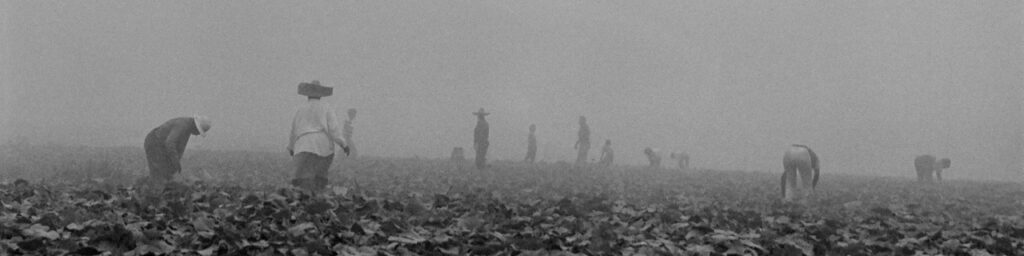
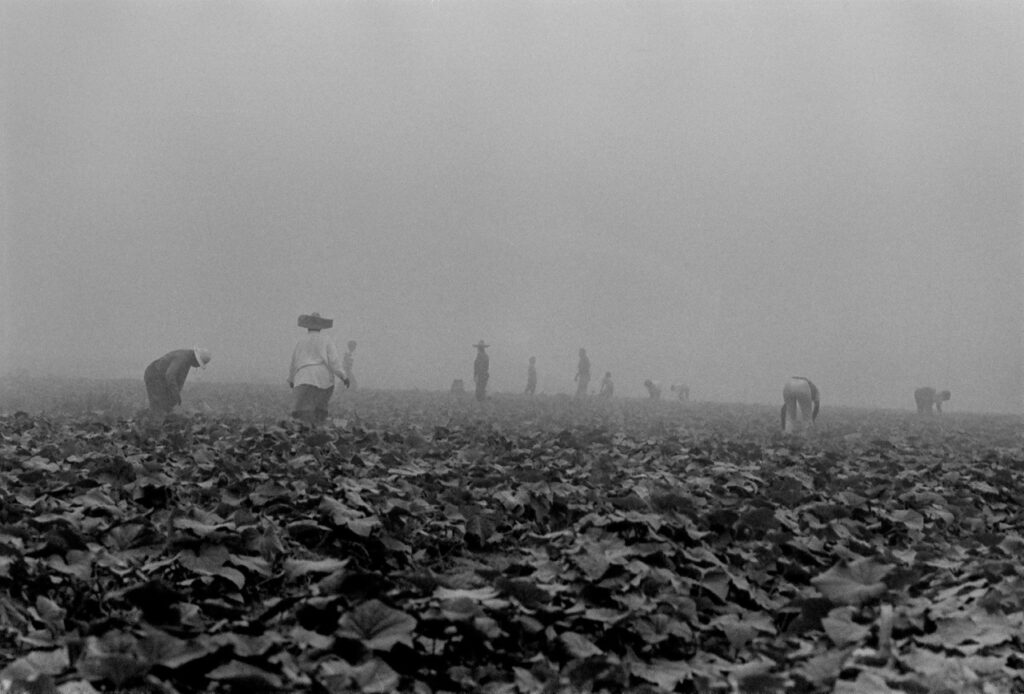
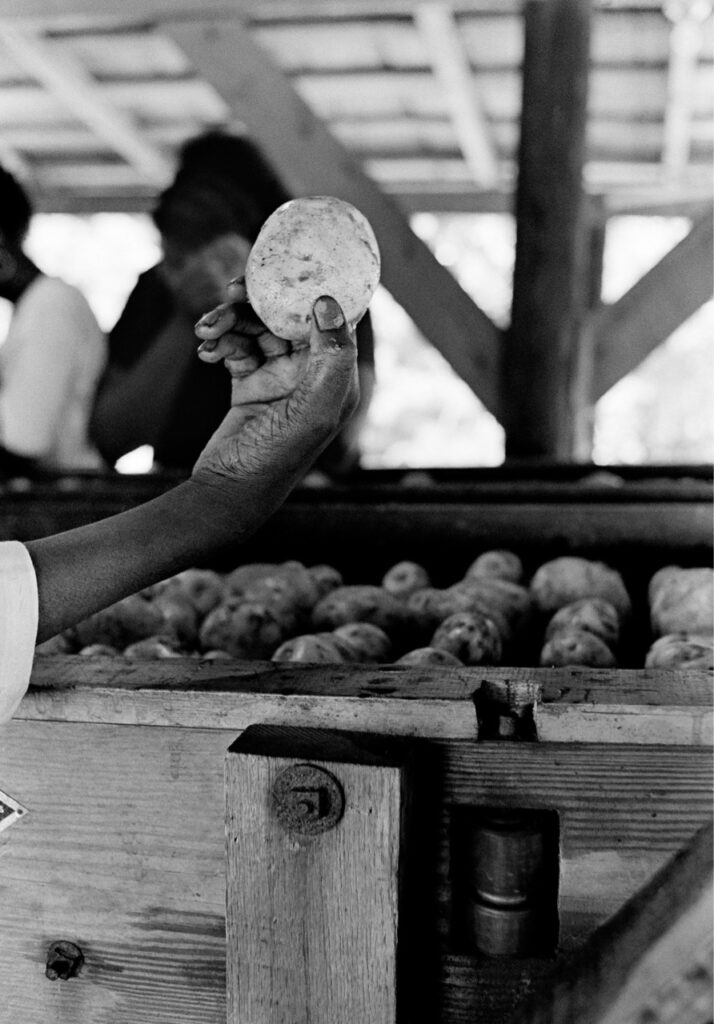
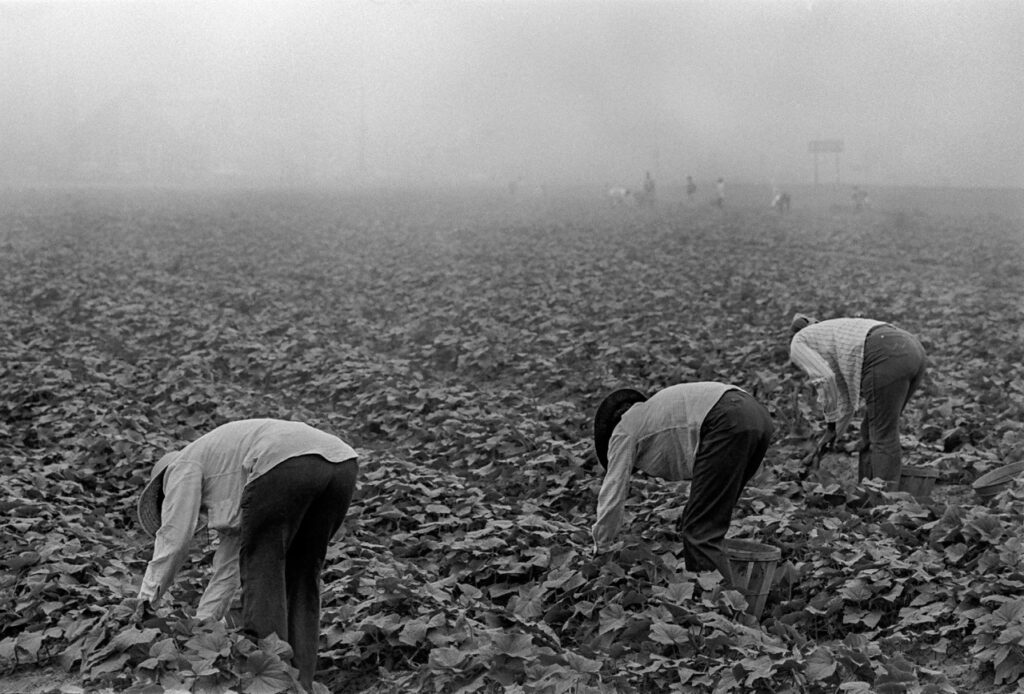
Miles Outside Johnston County
No matter if we’re sore, hungover, or pregnant,
wet dirt is wearisome. The way we kneel
in it, slosh and slip, covered, soaked
in mud, sliding cross it. Boxes spread
in a line, the tractor coming, coming,
the spuds trapped on the vine, no time.
Handbags cutting into thinner and thinner shoulders.
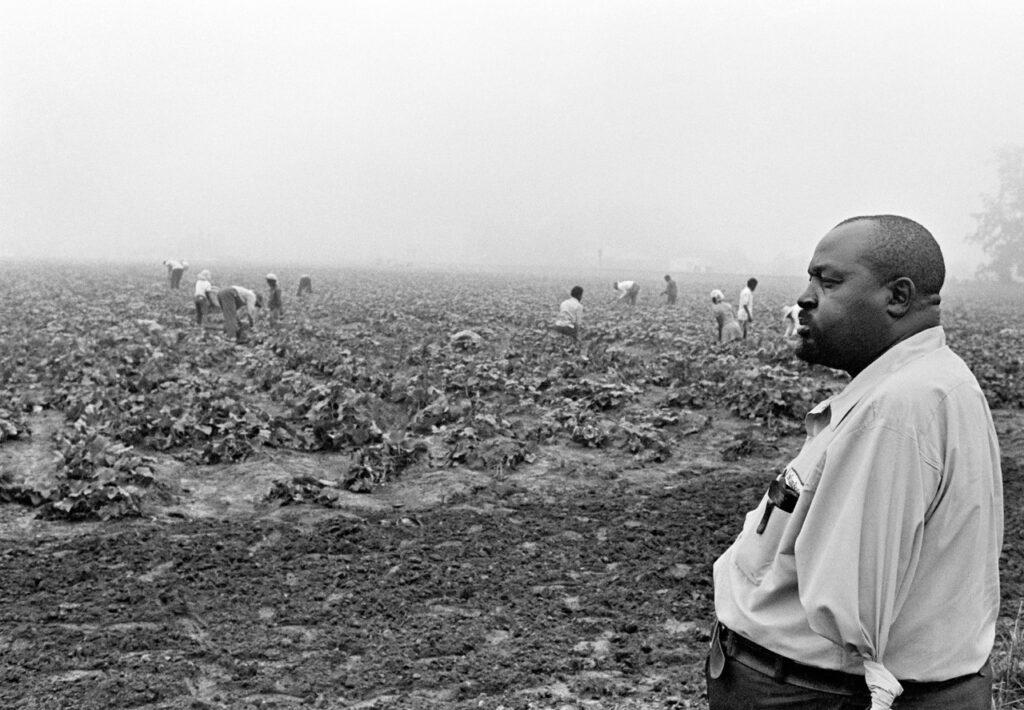
The crew chief under a shade tree next to his German
Shepherd, above our backs glistening in waves
of fecund heat, his chewed cigar protruding.
lunch, maybe three or four p.m., packet
of nabs and a soda and lying among flies.
Another day tomorrow, picking potatoes
for someone else’s fries.
Emerging from Darkness
Steaming rain steeps through slats of rag-packed
holes and under a double bed, her slippers,
his dress boots. Two pitted roads dead-end the camp
between picked tobacco skeletons.
Willie emerges from darkness at the door,
his yellowed teeth a lecherous grin. She runs
as the diarrhea erupts again, crying, Who will cook
for my brothers? Her Black husband steps out.
Willie smirks and slips away, she saying, Eight years
being kicked by a man was plenty. Her husband
not interrupting—having her what counts—
Go on whitey, stare, she shouts in the grocery store.
You can dig on our baby, ‘Sooooo cute.’ Us buying food
or planning our future? No—no—no.
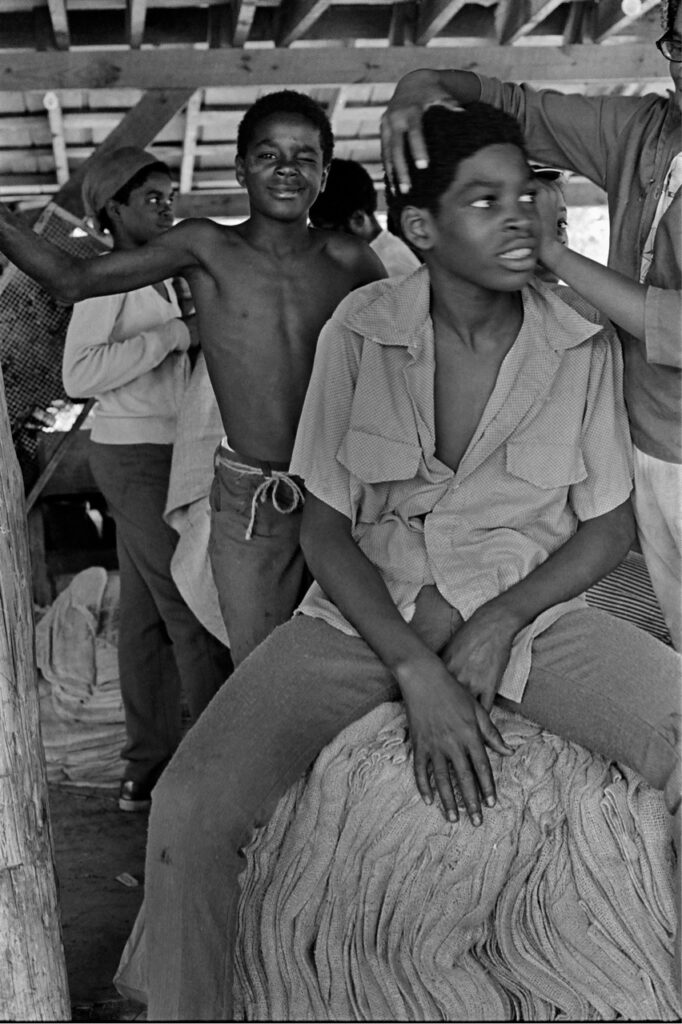
The President’s Salad
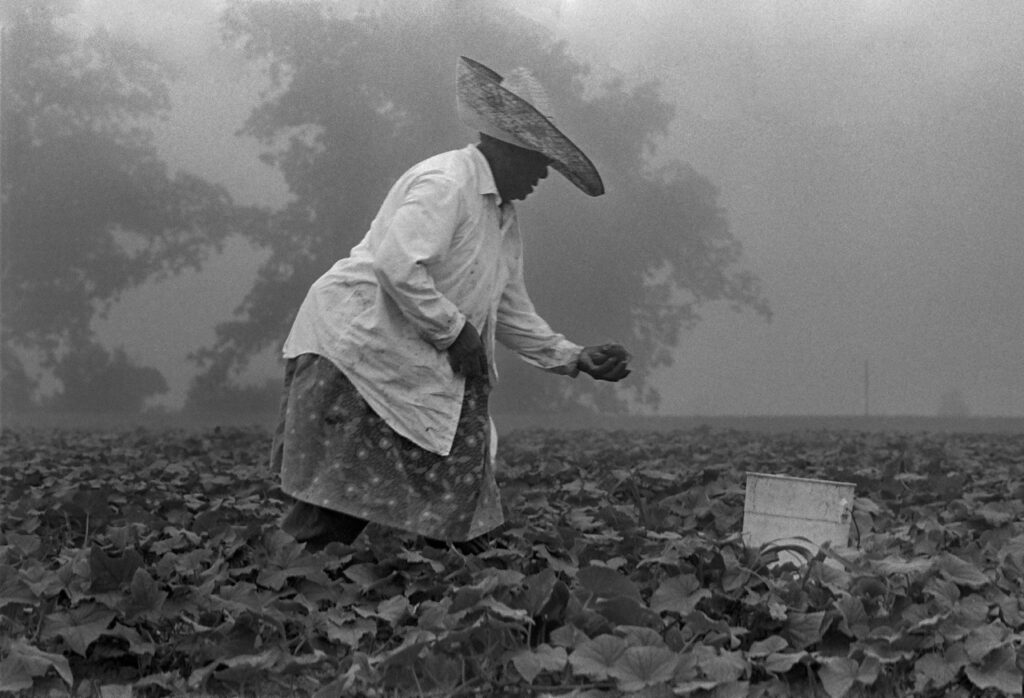
“We put the President’s salad
on his plate, then get turned
away from doctors’ offices
and stores, so-called drunk,
dirty, uncivilized? Who are they
to talk about people who
pick their food? If we weren’t out
there, who would be? Come
to a migrant camp and stay—
you’ll see life, more than
in a red-brick housing development
the other side of Belle Glade. That’s not
fair because there is life there, too.
But why make us out to be less
than human. Because we are dirty
from working in fields, no room
to pack clothes for the road?
Are we less than living, fearing,
loving, crying, aching, even
hateful human beings?
As much as the President I want
to sleep on a bed of my choosing.
But no, we go here and there
in the backcountry, far from what
we deserve as much as anyone else.
25 years I was a migrant worker.”
Muck City
An oasis of caged brokenness, in a desert
of sugar cane, raw sewage, torn clothes
and toys, plywood over windows, gaping
roofs, unhinged doors and buzzards.
Sheaves of cane flail forward in flanks
over thousands of acres. They bow to pillagers
hiring men from the West Indies
whose machetes slay the slight
weathered trunks drawing water
from miles of canals, and before morning
slash a field mate’s skull over insult
or spilt beer. Many bodies are buried
in the black muck, where a row
keeps an American in sugar for one year.
Winn Dixie
Every day produce is sorted, placed, handled,
sometimes without care, and removed.
Every day in produce: tomatoes and bananas
are bruised, tips of asparagus grow slimy,
watermelons ferment on the inside, potatoes
soften, outer layers of brussels sprouts blacken.
Little is made of their life, how they could be
purposeful on someone’s plate or in their hands.
What they might mean to a child whose meals
are chips, Twinkies, and a bowl of oatmeal.
Every day, produce is flipped lopsided in echoing
containers, handprints of migrants who picked them invisible,
the fruit of their labor, want and ache, going to waste.
Roadside
Beyond the bloated shape
of the bus, sick-thin, bent
rows of migrants rise and float
toward one another in tides
of cotton, like ghost fireflies.
Not one with a way
to be identified. In black and white
they stand in clusters
among dust-covered trees,
sit in the flatbed of a truck
with no walls,
spill from ram-shackled brown
jumbled buildings they call
home for a few weeks,
children playing hide and seek.
Or walk beside the road
passed by air-conditioned Pontiacs and Chevys
rushing to a swimming pool, stock car race, or cold beer.
Drivers see them.
Then glance away.